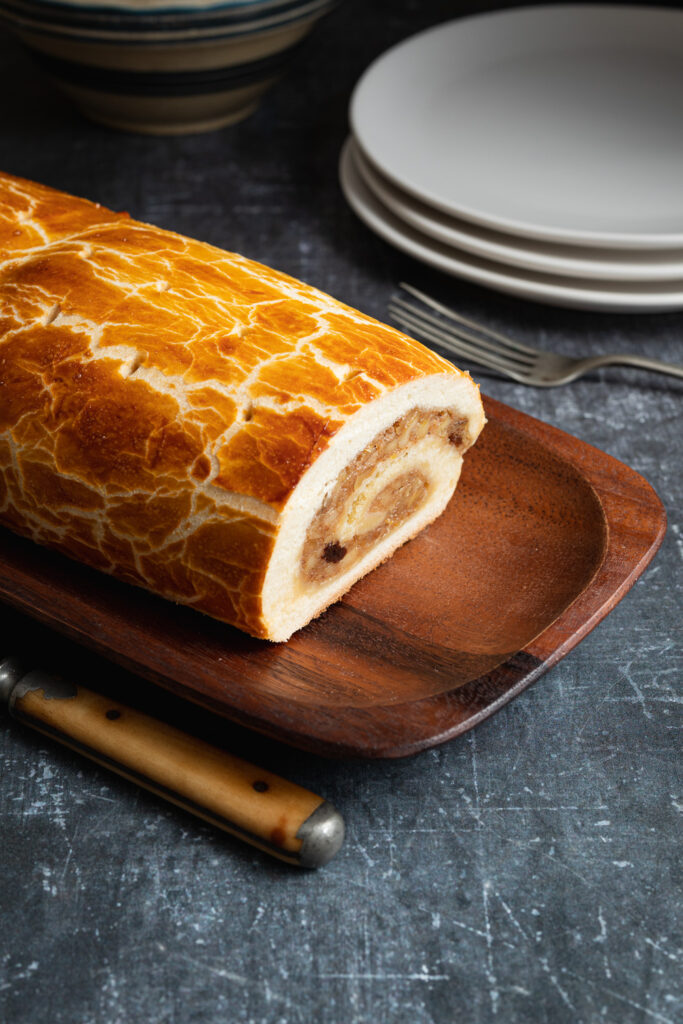
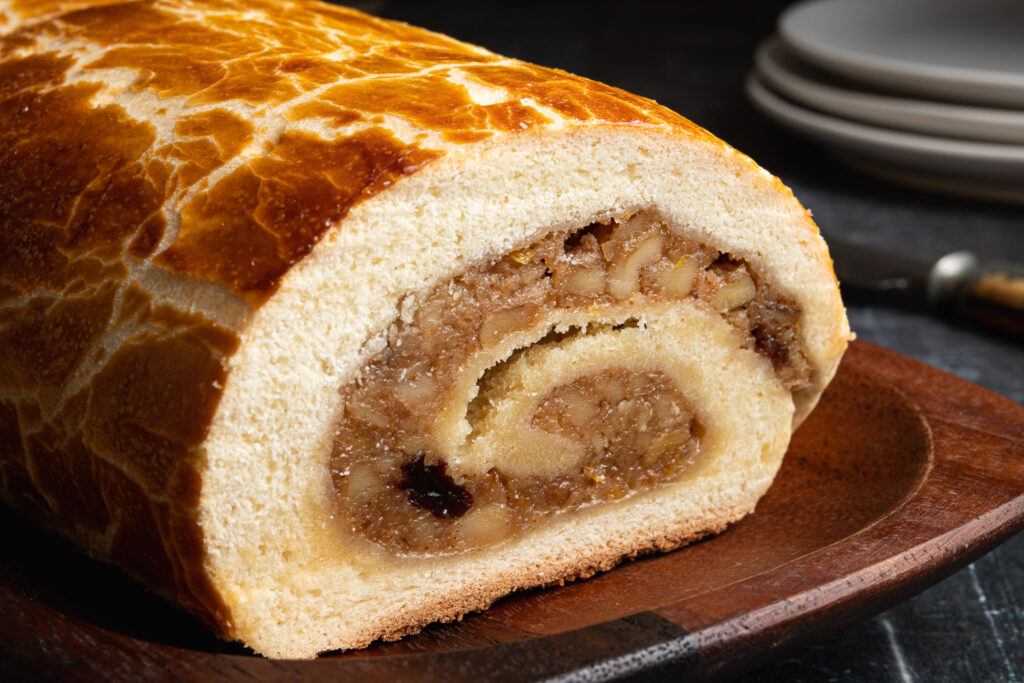
Bejgli is a traditional Hungarian rolled pastry filled with a dense, sweet filling made from walnuts (diós) or poppy seeds (mákos). The pastry uses a sweet yeast dough that’s rolled just like you would for a cinnamon roll, but bejgli is baked as one long cylinder.
Bejgli, or beigli, is popular in most of Central Europe and can be filled with a poppy seed, walnut, or chestnut filling. In Hungary, traditionally two rolls are served together as a pair, one poppy seed and one walnut, mákos és diós.
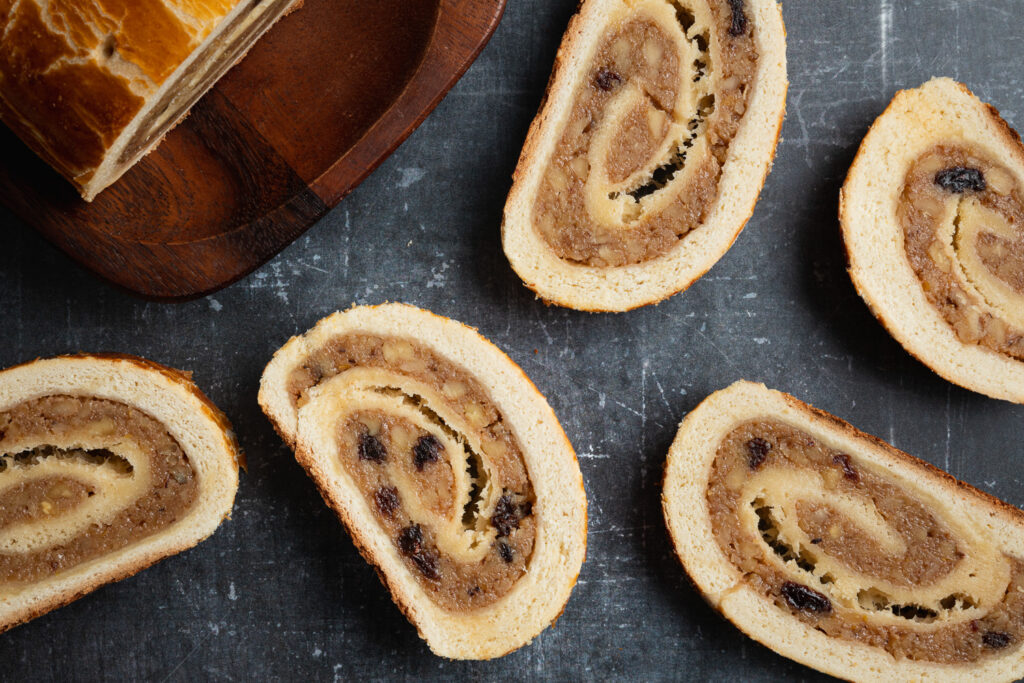
For this recipe, I stuck with the walnut version. The sweet walnut filling is flavored with cinnamon and zest and interspersed with raisins and extra walnuts.
*Note:
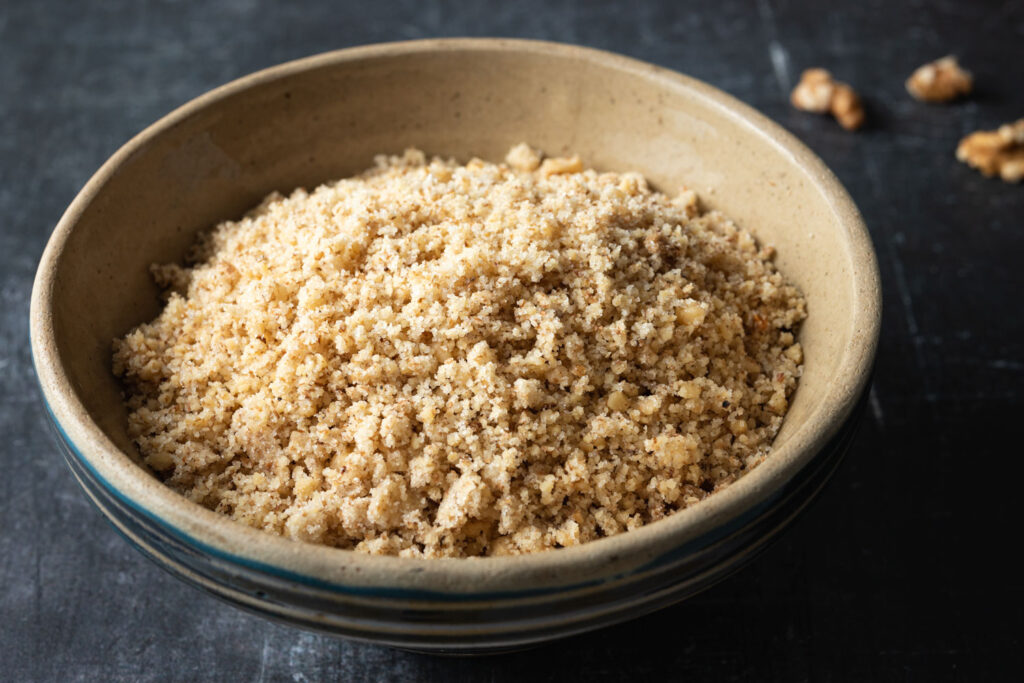
To grind walnuts in a food processor, pulse until finely ground, pausing every once in a while to scrape the sides and stir. Make sure the food processor and blade are completely dry before grinding the walnuts.
For the Dough
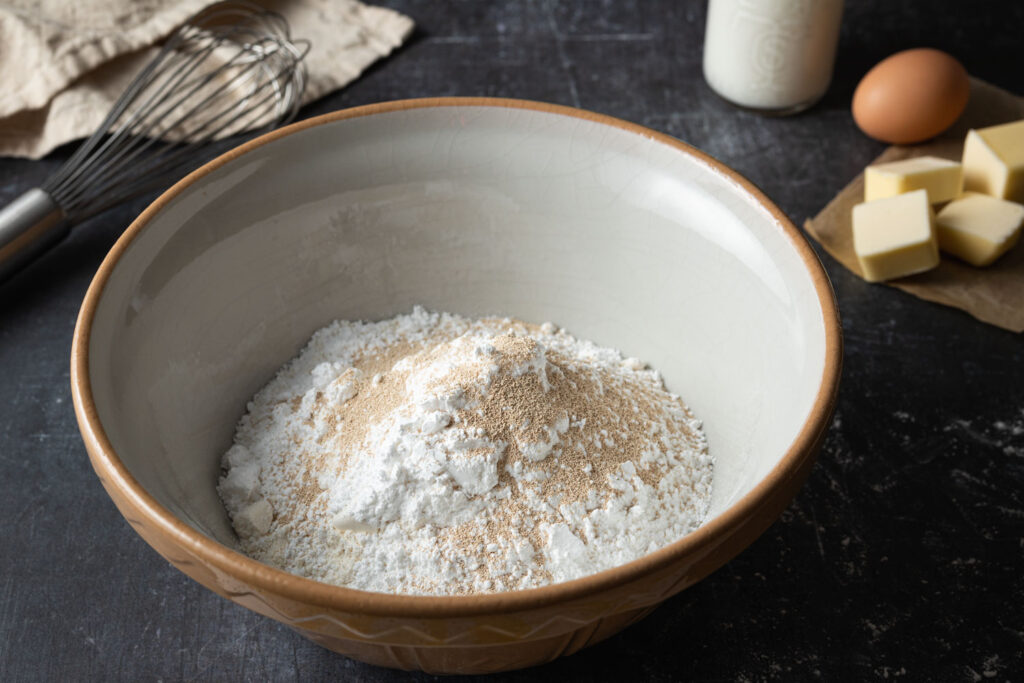
1. Combine the dry ingredients:
Whisk together the flour, sugar, yeast, and salt in a large mixing bowl.
2. Add the wet ingredients:
Add the milk, egg, and butter, and mix until the dough comes together into a ball.
3. Knead the dough:
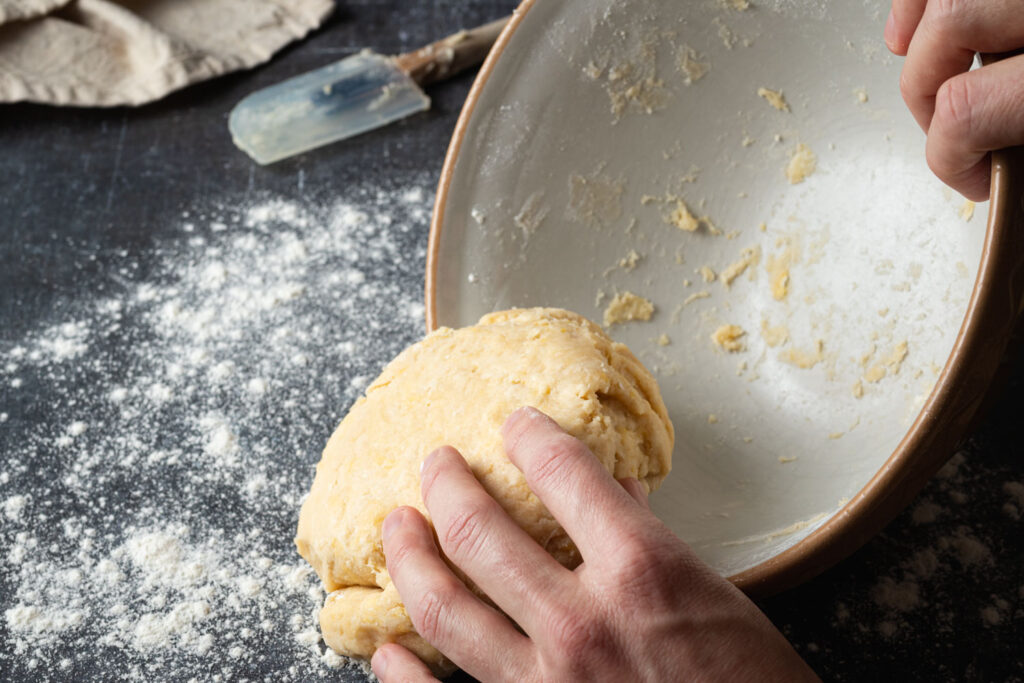
Turn out the dough onto a work surface that has been lightly dusted with flour. Knead the dough until smooth, about 5 minutes. The dough will feel tacky, but shouldn’t stick to your counter.
4. Chill the dough:
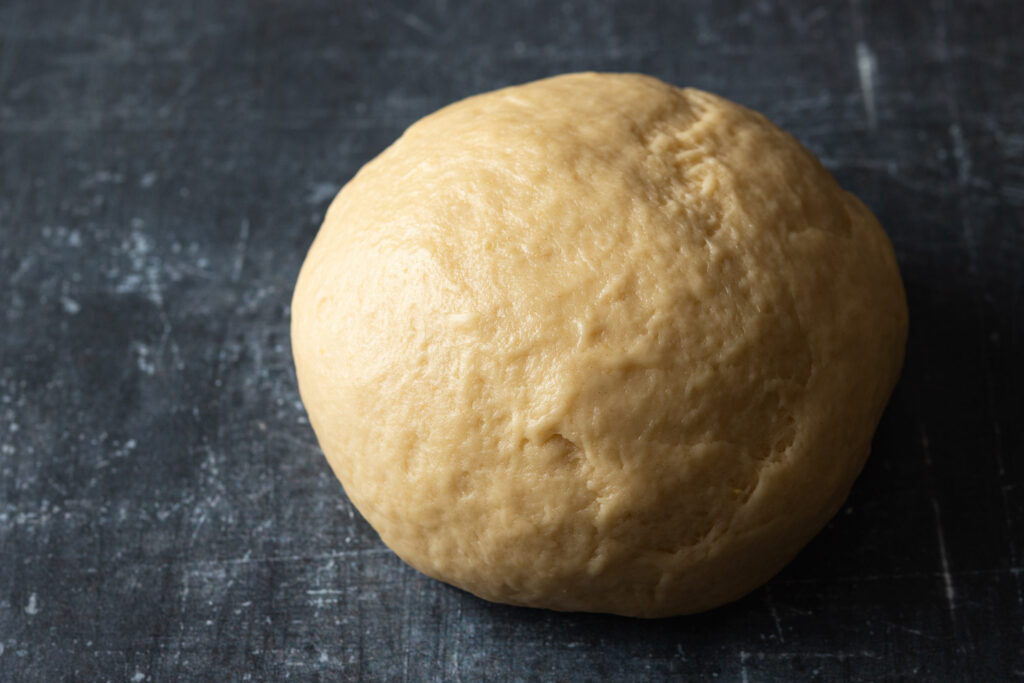
Wrap the dough in plastic and leave it to rest in the refrigerator for one hour.
Walnut Filling
While the dough chills, make the walnut filling.
1. Bring milk and sugar to a simmer:
Bring the milk and sugar to a boil in a medium saucepan.
2. Add the rest of the filling ingredients:
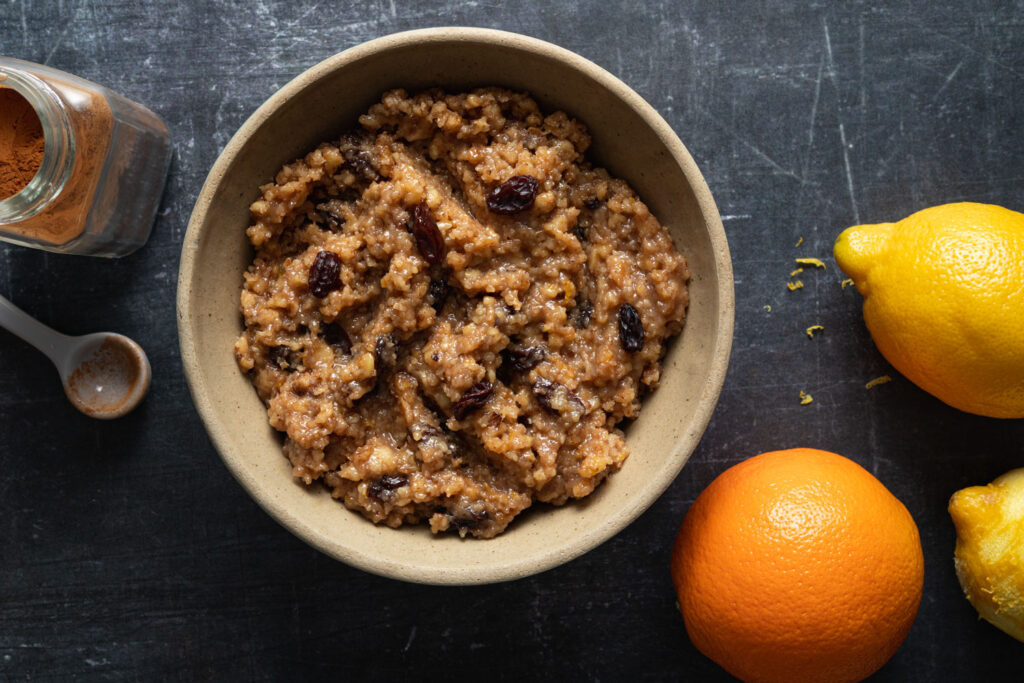
Take the pan off the heat and add the ground walnuts, raisins, cinnamon, zest, jam, and chopped walnuts. Mix well to combine.
3. Cool:
Set aside and allow to cool slightly.
Assemble the Bejgli
1. Roll out the dough:
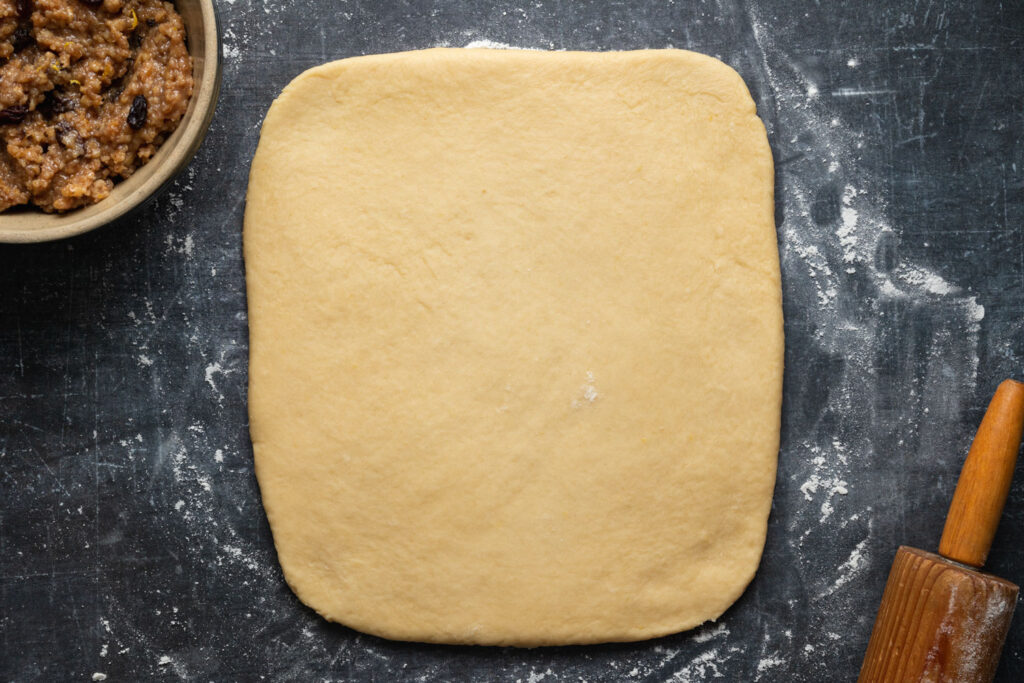
Dust your work surface with flour and roll out the dough to a rectangle about 10 by 15 inches (25 by 38cm) with the short side nearest you.
2. Fill the bejgli:
Spread the filling evenly over the dough, leaving a 1-inch (2.5cm) gap at the top.
3. Roll:
Tightly roll up the dough, starting from the short side and place the seam side down. Transfer the roll to a baking sheet lined with parchment paper.
4. Brush with egg yolk:
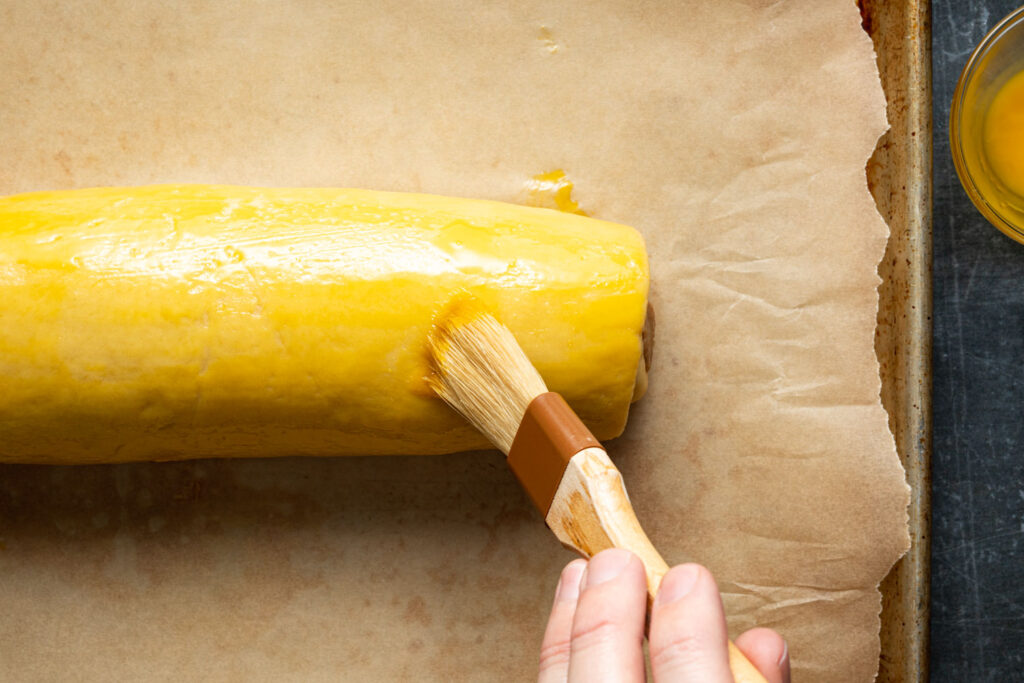
Use a pastry brush to coat the outside of the bejgli with the egg yolk.
5. Rise:
Cover the bejgli loosely with plastic and let it rise at room temperature for about 60 minutes.
6. Brush with egg white:
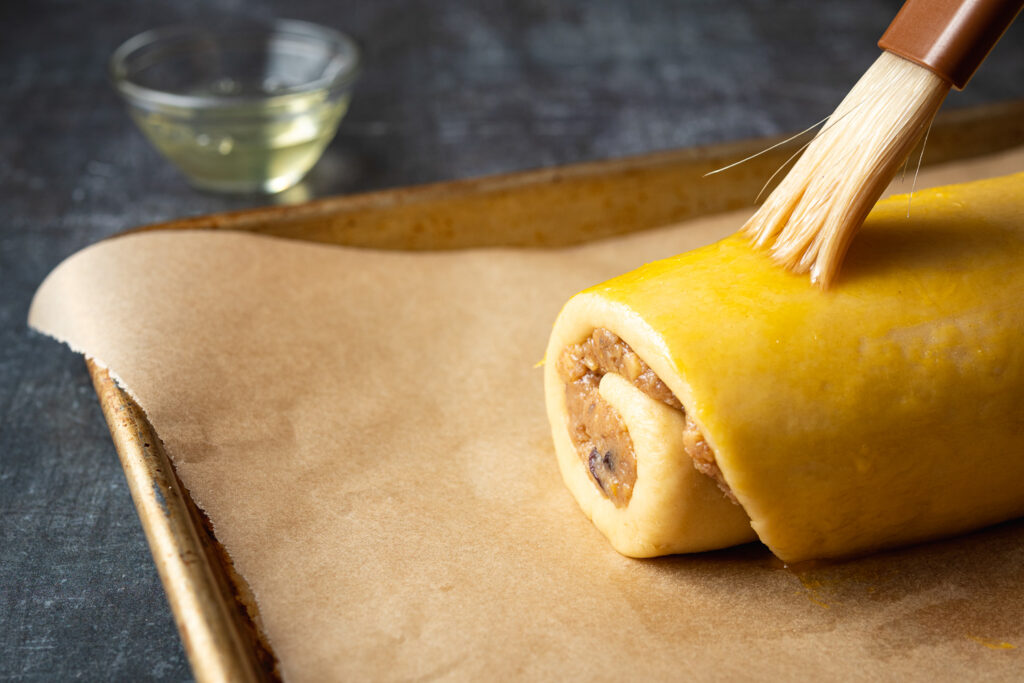
Use a pastry brush to coat the outside of the bejgli with the egg white. Chill the bejgli, uncovered, for 30 minutes. This allows the egg white to dry which will help create the crackly crust.
7. Preheat the oven:
While the bejgli chills, preheat the oven to 175°C (350°F).
8. Pierce the bejgli:
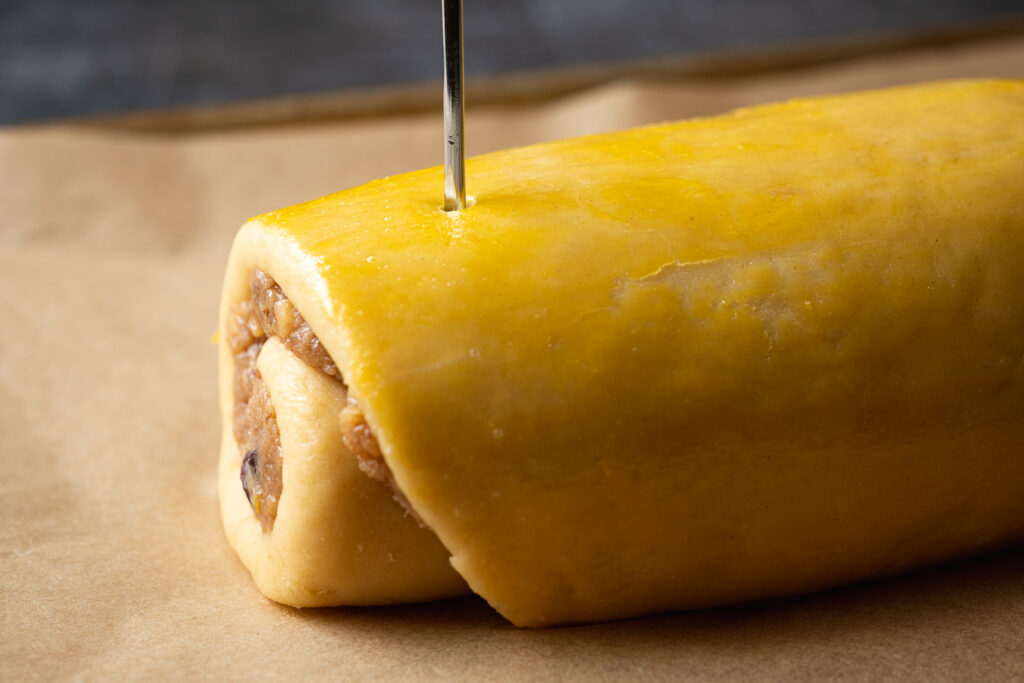
Use a skewer or a fork to pierce the top and sides of the bejgli, pushing the skewer deep into the dough. This creates steam vents so the bejgli keeps its shape and doesn’t tear during baking.
9. Bake:
Bake the bejgli until the crust is golden brown and crackled, about 40 to 45 minutes.
Let cool completely before slicing and serving.
Bejgli will keep wrapped air-tight at room temperature for about 3 days.
Diós Bejgli: Hungarian Walnut Roll
Bejgli is a traditional Hungarian rolled pastry filled with a dense, sweet filling made from walnuts (diós) or poppy seeds (mákos).
Dough
- 300 g plain flour
- 60 g confectioners’ sugar
- 1 1/2 tsp instant yeast
- 3/4 tsp salt
- 80 ml whole milk lukewarm
- 1 large egg room temperature
- 115 g unsalted butter softened
Filling
- 80 ml whole milk
- 150 g granulated sugar
- 200 g ground walnuts *
- 1/4 cup raisins
- 1 tsp cinnamon
- lemon zest zest of 1 lemon
- orange zest zest of 1 orange
- 2 Tbsp apricot or orange jam
- 1/4 cup chopped walnuts
Egg Wash
- 1 large egg white and yolk separated
For the Dough
- Combine the dry ingredients
Whisk together the flour, sugar, yeast, and salt in a large mixing bowl.
- Add the wet ingredients
Add the milk, egg, and butter, and mix until the dough comes together into a ball.
- Knead the dough
Turn out the dough onto a work surface that has been lightly dusted with flour. Knead the dough until smooth, about 5 minutes. The dough will feel tacky, but shouldn’t stick to your counter.
- Chill the dough
Wrap the dough in plastic and leave it to rest in the refrigerator for one hour.
Walnut Filling
- Bring milk and sugar to a simmer
While the dough chills, make the walnut filling.
Bring the milk and sugar to a boil in a medium saucepan.
- Add the rest of the filling ingredients
Take the pan off the heat and add the ground walnuts, raisins, cinnamon, zest, jam, and chopped walnuts. Mix well to combine.
- Cool
Set aside and allow to cool slightly.
Assemble the Bejgli
- Roll out the dough
Dust your work surface with flour and roll out the dough to a rectangle about 10 by 15 inches (25 by 38cm) with the short side nearest you.
- Fill the bejgli
Spread the filling evenly over the dough, leaving a 1-inch (2.5cm) gap at the top.
- Roll
Tightly roll up the dough, starting from the short side and place the seam side down. Transfer the roll to a baking sheet lined with parchment paper.
- Brush with egg yolk
Use a pastry brush to coat the outside of the bejgli with the egg yolk.
- Rise
Cover the bejgli loosely with plastic and let it rise at room temperature for about 60 minutes.
- Brush with egg white
Use a pastry brush to coat the outside of the bejgli with the egg white. Chill the bejgli, uncovered, for 30 minutes. This allows the egg white to dry which will help create the crackly crust.
- Preheat the oven
While the bejgli chills, preheat the oven to 175°C (350°F).
- Pierce the bejgli
Use a skewer or a fork to pierce the top and sides of the bejgli, pushing the skewer deep into the dough. This creates steam vents so the bejgli keeps its shape and doesn’t tear during baking.
- Bake
Bake the bejgli until the crust is golden brown and crackled, about 40 to 45 minutes.
Let cool completely before slicing and serving.
Bejgli will keep wrapped air-tight at room temperature for about 3 days.
Recipe notes
To grind walnuts in a food processor, pulse until finely ground, pausing every once in a while to scrape the sides and stir. Make sure the food processor and blade are completely dry before grinding the walnuts.

Leave a Reply